Life moves fast. Schedules fill up. And next thing you know, your fresh food from that last grocery run is still sitting in the fridge. And not looking so fresh anymore.
The good news? 50-60% of household food waste is avoidable. And these small shifts can help you stretch your grocery budget and reduce food waste right in your own home.
Understanding food labels.
Best by dates are usually about quality, not safety, while use by dates are more closely tied to freshness. Too often, perfectly good food gets tossed because of a date on the package instead of a closer look, smell or taste.
Don’t judge a book by its cover.
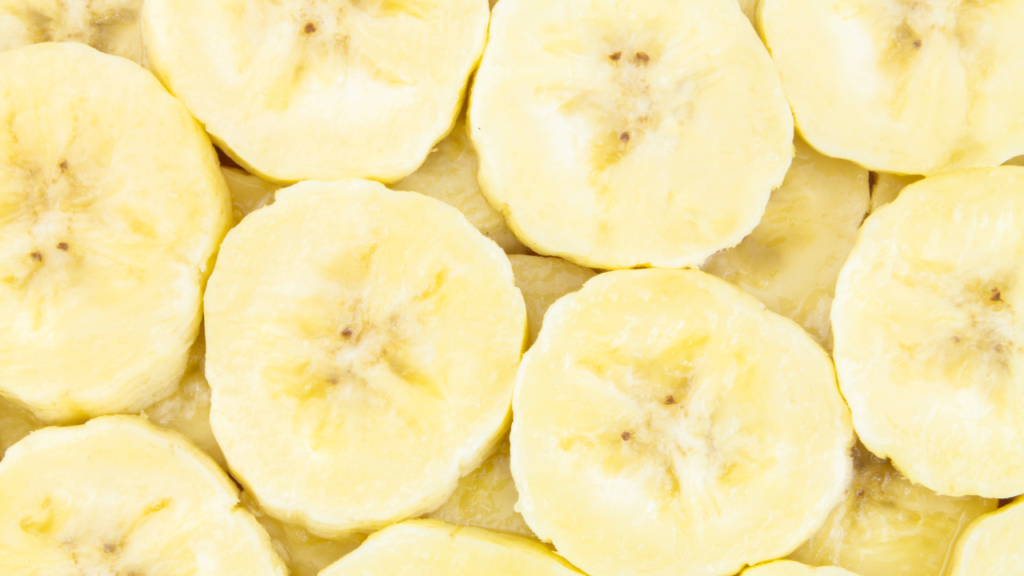
Or a banana by its color. Green bananas mean more time on the counter and more days for you to enjoy once they start to turn yellow. Slightly wilted vegetables may not look perfect, but they still have plenty to offer. Just cut those stems and place them in a cup of water and presto – they’ll perk right up.
Soup, there it is.
A clean-out-the-fridge quick soup can be a delicious adventure. Gather leftover vegetables and herbs, cook them in water and seasoning, blend if you’d like and/or freeze portions for later. And you can also use this nutrient-packed goodness for gravies, sauces and roasts.
Not sure what combos taste good together?
Just go online, enter the items you have available in your search bar and options galore will appear. This can help save money, make the most of your groceries and keep good food out of the trash.
Label, label, label.
Yes, post-it notes work in the fridge too. You’re busy, it’s easy to lose track – so help yourself and others know what’s available and ready to eat.
Scale vs. single use.
Buy and cook with flexibility in mind. Ingredients that can stretch across multiple meals (like roasted veggies, rice or protein) are less likely to go to waste than items with only one specific use.
Air-tight extends life.
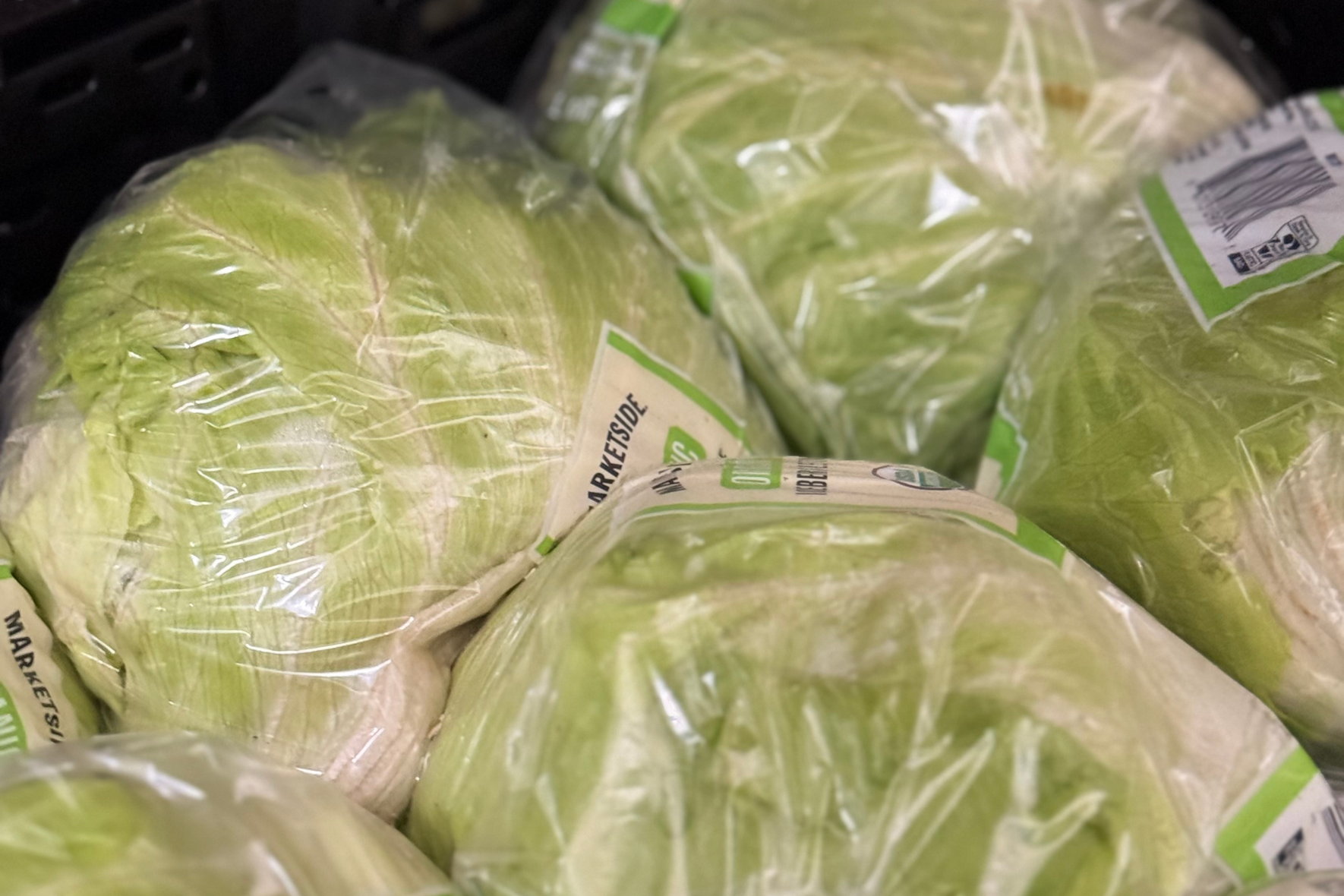
Good containers make a real difference. Keeping food sealed – especially greens, herbs and leftovers – helps maintain freshness and gives you more time to actually use them.
Use your fridge like it matters!
Run your fridge like a food bank with these helpful tips and tricks.
- Eat first zone – front and center
- Top shelf and eye level.
- Everyday items, accessible and easy to scan
- Middle shelf.
- Group like items together.
- Put new items in the back, older in the front (first in, first out).
- Know where it’s cold
- The bottom shelf.
- Keep dairy here, not in the door.
- Avoid overcrowding as airflow matters.
- Keep it crisp
- Whole produce last longer than pre-cut.
- Keep bananas away from green – they speed the ripening of other fruits and vegetables.
- Don’t wash produce until ready to use.
- Store herbs like flowers (in water, loosely covered).
- Keep fruit and vegetables separate.
- Door (warmest area)
- Avoid highly perishable items.
- Great for jams, syrups and sauces.
- Freezer
- Freeze portion sizes – in plastic bags, wrap or foil. It only takes a few minutes to do and your wallet will thank you later!
- Don’t overload.
- Freeze scraps (veggie ends, bones from a roast) for broth later – in freezer bags or containers.
Did you know?
- Berries, fresh herbs and bagged greens spoil the fastest – keep them dry and covered.
- Carrots and broccoli like high humidity – apples, pears, peppers and mushrooms not so much.
- Revive limp carrots or celery by soaking them in ice water for a few minutes.
- Potatoes and onions shouldn’t be stored together. Onions release moisture and gases that can cause potatoes to sprout or spoil faster.
- Leftovers should usually be eaten or frozen within 3-4 days to help reduce food waste and keep meals safe.
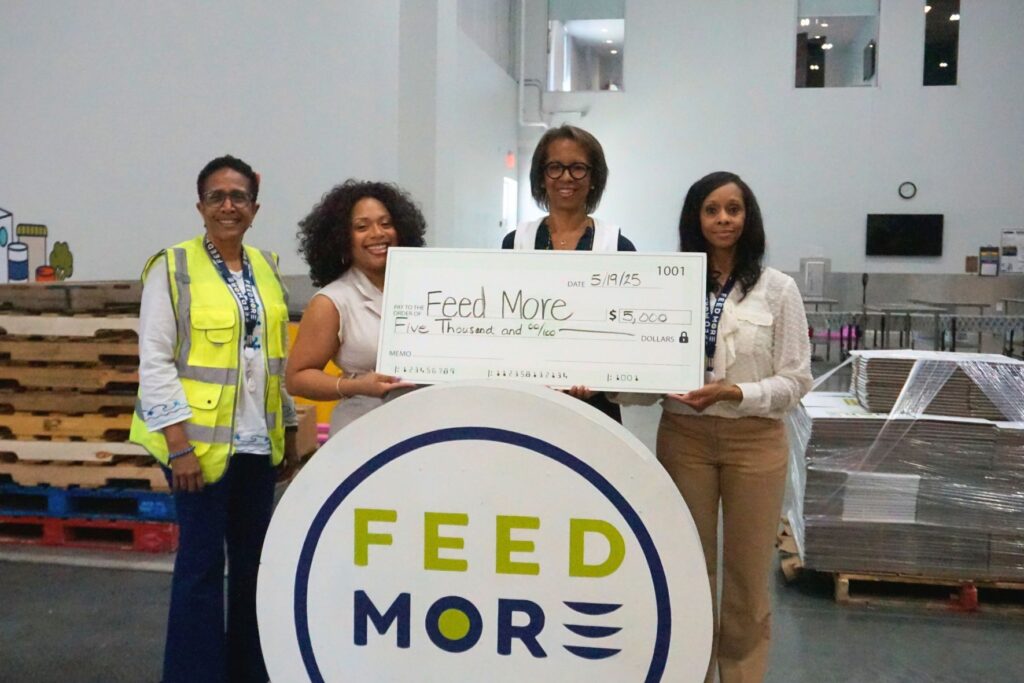
- In 2025, Feed More rescued more than 14.5 million pounds of food, moving it out to neighbors in need across 29 counties and 5 cities.